 Usbforwindows
- What is WordPress object caching?
- How do I enable object caching in WordPress?
- How do I turn off object cache in WordPress?
- How do I use WP object cache?
- Where is WordPress cache stored?
- What is Redis object cache?
- What is persistent object cache?
- How do I open a file in WordPress?
- How do I disable Kinsta cache?
- How do I clear my WordPress cache without plugins?
What is WordPress object caching?
Object caching involves storing database queries and, when enabled on your WordPress site, it can help speed up PHP execution times, reduce the load on your database, and deliver content to your visitors faster.
How do I enable object caching in WordPress?
WordPress Object Cache [built-in caching mechanism]
...
Enable default WordPress cache in 3 easy steps
- Step 1: Enable the caching mechanism. Open wp-config.php and set the value of ENABLE_CACHE to “ TRUE ”: define('ENABLE_CACHE', TRUE);
- Step 2: Create the cache directory. ...
- Step 3: Make the cache folder writable.
How do I turn off object cache in WordPress?
Clearing Your Plugin Cache
For example, when we take a look at the WP Super Cache plugin, you can very quickly clear the entire cache. Simply navigate to the plugin's options page via Settings => WP Super Cache => Contents in your WordPress dashboard and click the Delete Cache button.
How do I use WP object cache?
The Object Cache stores all of the cache data to memory and makes the cache contents available by using a key, which is used to name and later retrieve the cache contents. The Object Cache can be replaced by other caching mechanisms by placing files in the wp-content folder which is looked at in wp-settings.
Where is WordPress cache stored?
Transients are stored in the database (similar to most WordPress settings, in the wp_options table). Transients need two records in the database: one to store the expiration time and one to store the data. When cached data is requested, WordPress checks the timestamp and does one of two things.
What is Redis object cache?
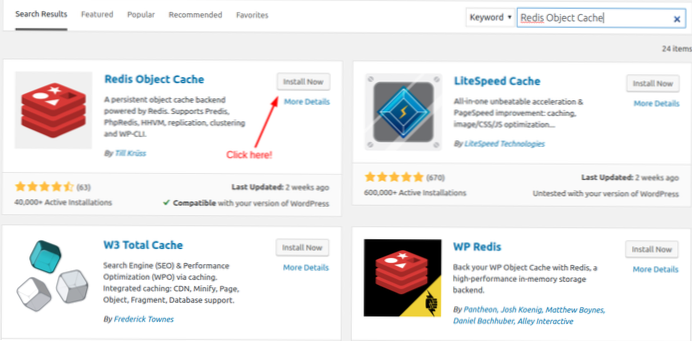
Redis is an open-source, in-memory data structure store. In the context of WordPress, Redis can be used to store the values generated by WordPress' native object cache in a persistent manner so that cached objects can be reused between pageloads.
What is persistent object cache?
Persistent Object Caching: Redis, Memcached, and APC. Persistent object caching takes this process a step further. Instead of caching every page or every object all the time, persistent object caching allows objects that appear multiple times to be cached once, and served whenever needed.
How do I open a file in WordPress?
Accessing functions. php through the Account Control Center
- Log in to the ACC.
- In the left sidebar, click Files.
- In the drop-down, click Web.
- Locate your website's directory and click the file path displayed to the right of it. ...
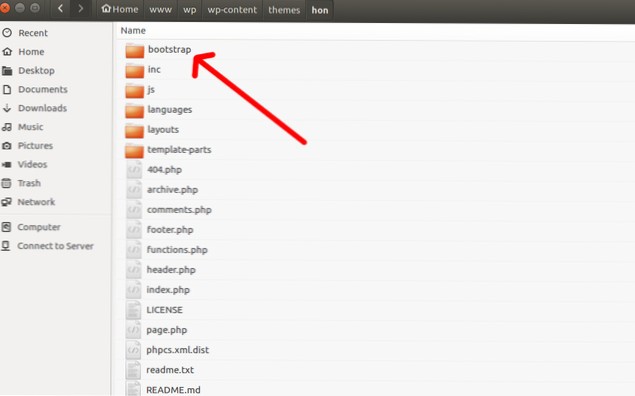
- Inside the directory, click the wp-content file name.
- Click the Themes file name.
How do I disable Kinsta cache?
Simply click into your site, click into tools and click on the “Clear Cache” button. Clear WordPress cache in MyKinsta. By default, caching is disabled on Kinsta staging environments.
How do I clear my WordPress cache without plugins?
Alternatively, you can clear the WordPress cache from the settings page. To do this, click on “Performance” in the left-hand pane to display the W3 Total Cache dashboard. Now click on the “empty all caches” button. And that's it!